

At a Glance
- Bucket Robotics drove a rented Hyundai Santa Fe 12 hours through rain to reach CES 2026
- The YC-backed startup automates surface quality inspections using vision systems and CAD data
- Already has automotive and defense customers, positioning itself as a “dual-use” company
- Why it matters: Automates a menial inspection task traditionally done manually, helping to accelerate onshoring of manufacturing
Bucket Robotics, a San Francisco-based startup backed by Y Combinator, made a grueling 12-hour drive through rain in a rented Hyundai Santa Fe to bring its gear to the 2026 Consumer Electronics Show. CEO Matt Puchalski chose the road trip over flying to avoid potential flight delays that could have jeopardized the company’s first-ever CES appearance.
Puchalski, an engineer who spent the past decade at Uber, Argo AI, Ford’s Latitude AI, and SoftBank-backed Stack AV, founded Bucket Robotics in 2024 as part of YC’s Spring batch. The company focuses on automating surface quality inspections using advanced vision systems.
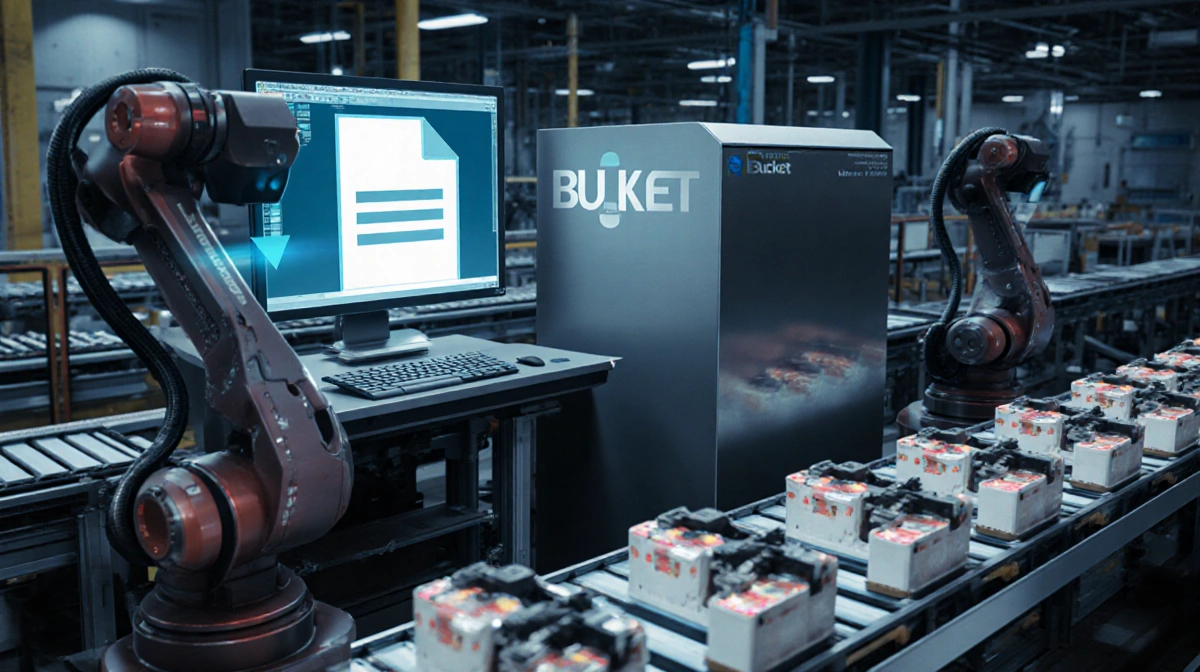
The startup’s technology targets a persistent problem in manufacturing: inspecting surfaces for defects like color inconsistencies, burn marks, or scuffs. Puchalski noted that while structural inspections are largely solved, surface flaws remain difficult to automate without massive data sets.
Bucket Robotics solves this by generating simulated defects from CAD files, training its vision software to spot real-world problems on production lines. The system requires no manual labeling and can deploy in minutes, adapting to product or line changes without new hardware.
During CES, the company drew steady interest. Attendees in suits crowded the modest booth in the automotive-focused West Hall, taking branded orange stickers and asking technical questions. Puchalski reported consistent traffic and “real technical discussions” with professionals from manufacturing, robotics, and automation sectors.
Since the show, Puchalski has spent the week on follow-up calls with prospective customers and investors. The company already serves clients in automotive and defense, positioning itself as a “dual-use” technology firm.
Puchalski emphasized that the automation doesn’t threaten manual inspectors’ jobs. Instead, it handles repetitive defect detection, allowing humans to focus on root-cause analysis. The manufacturing industry has pursued this automation for decades, making the technology’s arrival particularly exciting for customers.