

At a Glance
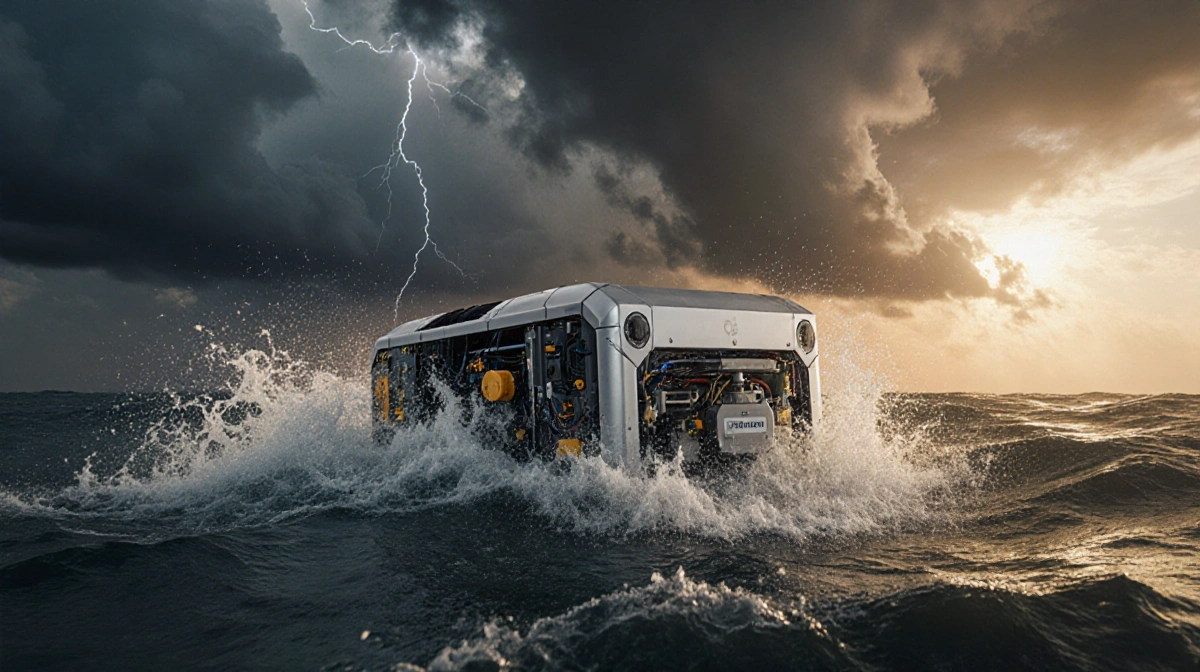
- Oshen’s palm-sized C-Star bots survived Hurricane Humberto while collecting live ocean data
- The company bootstrapped for two years on a 25-foot sailboat before signing defense contracts
- NOAA deployed 15 robots this summer after rejecting the tech two years ago
- Why it matters: Real-time ocean data from extreme storms sharpens hurricane forecasts and naval operations
A failed Atlantic crossing attempt turned Anahita Laverack from aerospace hopeful to ocean-data pioneer. After her Microtransat Challenge robot sank in 2021, she discovered that every competitor floundered for the same reason: nobody had accurate, real-time information about the sea itself.
From Sinking Robot to Startup
Laverack, a lifelong sailor, pivoted on the spot. She toured conferences like Oceanology International looking for the missing data and found only potential customers begging her to collect it. Those hallway conversations seeded Oshen, founded with electrical engineer Ciaran Dowds in April 2022.
The pair skipped venture capital at launch. They pooled personal savings, bought a 25-foot sailboat, and moored at the cheapest U.K. marina they could find. For two grinding years the boat doubled as home and floating lab while they iterated on shoebox-sized autonomous robots.
C-Star Specs and Survival Record
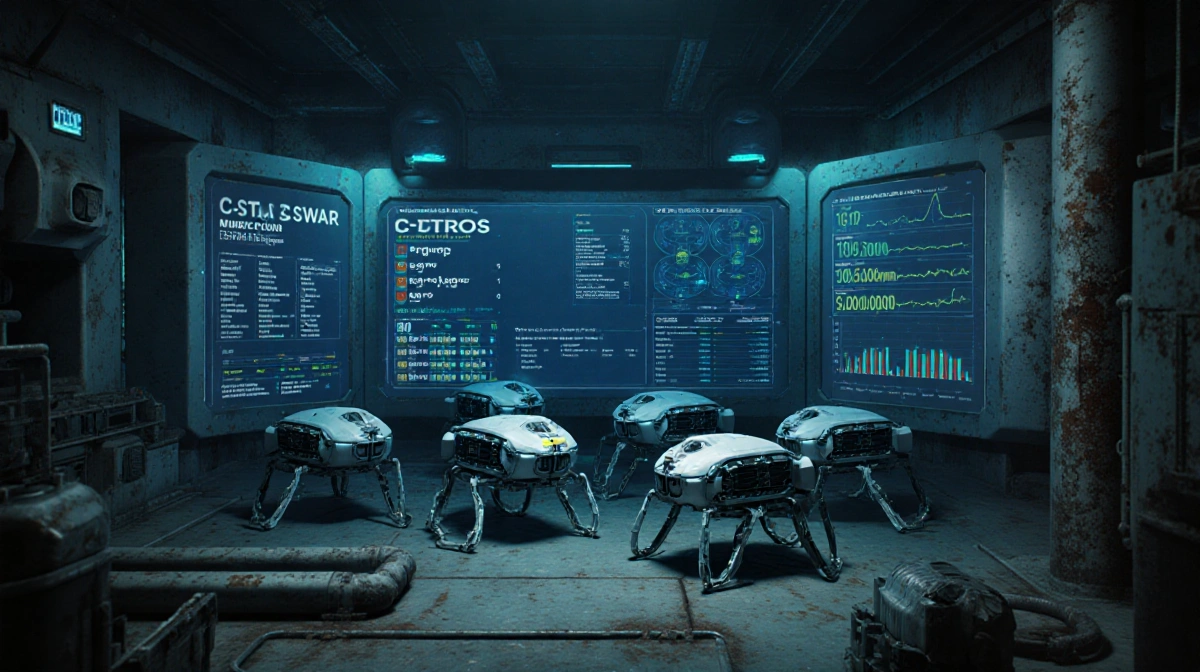
Each C-Star unit is built to operate 100 days straight and functions as part of a swarm. Key requirements:
- Cheap enough for mass deployment
- Small enough to launch by hand
- Rugged enough for winter storms
- Smart enough to navigate alone
Most rivals nail two of those three targets, Laverack said. Oshen’s breakthrough was ticking every box simultaneously, a balance that attracted defense and government buyers.
First paying mission: a Category 5
NOAA first noticed Oshen in 2023 but judged the prototypes unready. The agency circled back two months before the 2025 hurricane season after learning the bots had logged successful winter-storm sorties near the U.K.
Oshen rapidly built and shipped 15 C-Stars to the Caribbean. Five were tossed overboard near the U.S. Virgin Islands to watch Hurricane Humberto. Three robots rode straight through the Category 5 storm, lost a few appendages, and never stopped streaming data.
Laverack claims the feat makes them the first ocean robots ever to collect continuous data inside a Category 5 hurricane.
Contracts and Future Funding
The company has since relocated to Plymouth, England, a marine-tech cluster, and signed deals with the U.K. government for weather and defense work. After bootstrapping for 24 months, Laverack said Oshen now plans to raise venture capital to meet surging demand.
Key Takeaways
- The same data gap that sank Laverack’s hobby robot became Oshen’s market opening
- Living on a 25-foot sailboat trimmed R&D costs and accelerated real-world testing
- Surviving a Category 5 hurricane converted early skepticism at NOAA into a rapid deployment contract
- Government appetite for live ocean intelligence is pulling the once-bootstrapped startup into institutional funding talks