

At a Glance
- Kaillie Humphries delayed motherhood to chase Olympic glory, then faced Stage 4 endometriosis.
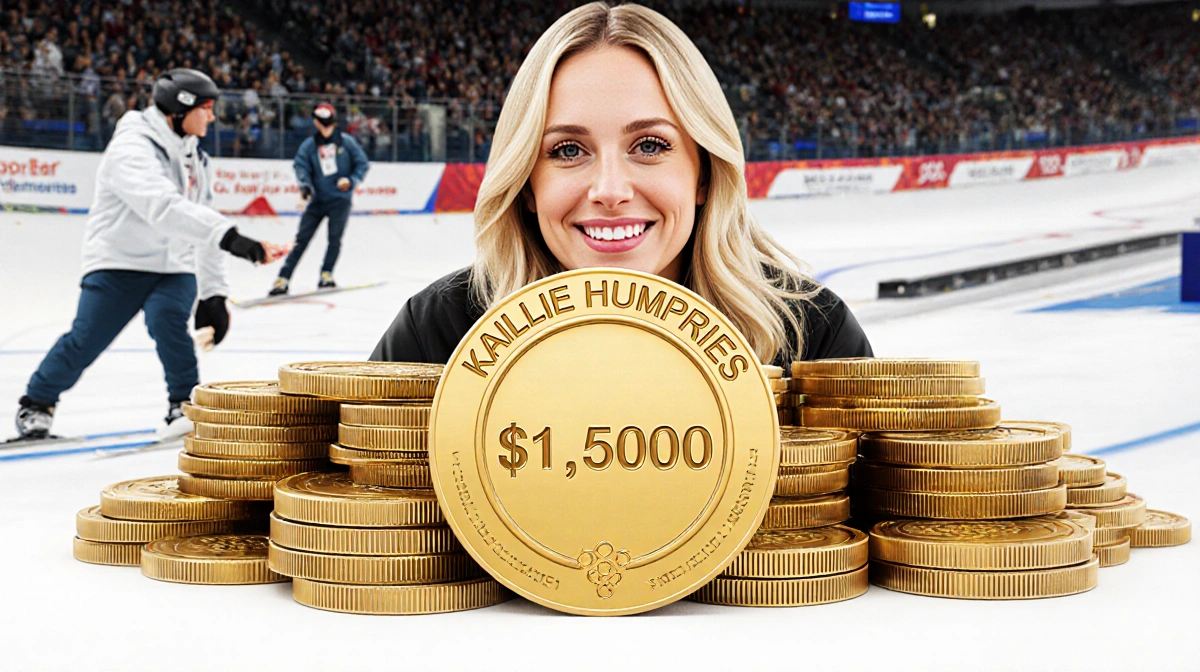
- IVF cost $15,000 per round-half her annual national-team stipend-forcing her to race for funds.
- After four embryo transfers, she gave birth to son Aulden in June 2024 and now targets Milan Cortina 2026.
Why it matters: Her story shows elite athletes can pursue medals and motherhood, but only by paying steep physical, emotional, and financial prices.
Kaillie Humphries spent years putting pregnancy on pause so she could keep sliding onto Olympic podiums. When she finally felt ready, her body no longer cooperated without medical intervention, a price tag in the tens of thousands, and repeated heartbreak before success.
The Diagnosis That Changed Everything
A routine hip MRI in 2021 revealed an ovarian cyst; surgery to remove it uncovered Stage 4 endometriosis. Doctors told the 37-year-old that natural conception was impossible and in-vitro fertilization was her only path to pregnancy.
> “I would have never imagined that when the time came, when I was ready to have kids … my body would fail me,” Humphries wrote in a 2023 essay.
Racing to Afford Treatments
One round of IVF carried a $15,000 price tag-50 percent of her yearly stipend as a U.S. national-team bobsledder. To bankroll the process, she needed medals and the bonuses they trigger.
- 2023 World Championships: silver in monobob, bronze in two-woman
- Prize money funded the first retrieval cycle
> “She had just won an Olympic gold medal … but that was last year. This is this year,” husband Travis Armbruster said. “The whole season was do well enough so we can afford to try to have a baby.”
Transfer Failures and Persistence
Between summer 2022 and spring 2024, Humphries endured three consecutive embryo transfers that failed. She switched clinics and tried a fourth transfer, comparing the emotional ride to chasing an Olympic title where variables lie outside an athlete’s control.
> “You’re chasing a dream that you don’t know will ever come true … you have no control over the outcome,” she said.
Medal in One Hand, Baby in the Other
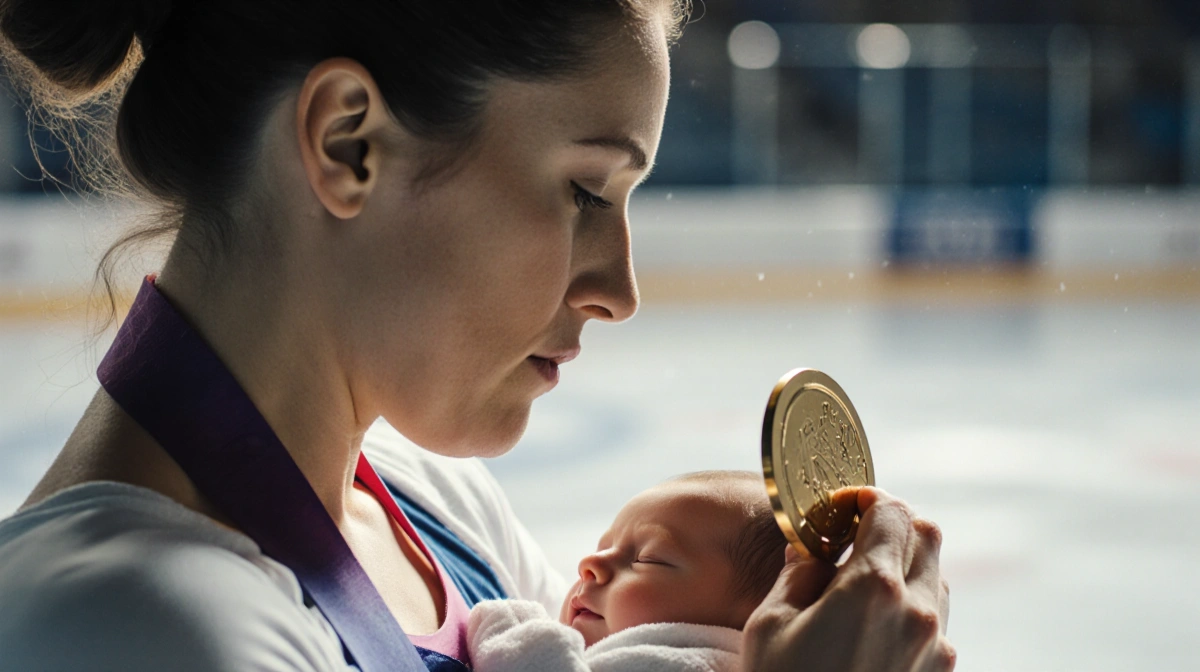
The fourth embryo took. Aulden arrived in June 2024, days before Humphries turned 39.
> “Everything I dreamed of … my son is my world now,” she said.
Back on Ice at 40
Less than 18 months postpartum, Humphries resumed training for the Milan Cortina Games, calling the physical comeback harder than any previous season because of the toll pregnancy, birth, and sleepless nights took on her system.
> “Trying to get back in shape … is kicking my butt real hard,” she admitted, yet added she would not change a thing.
Key Takeaways
- Even world-class fitness does not shield women from infertility.
- Endometriosis can remain hidden until a patient tries to conceive.
- Athletes who delay parenthood may face steeper biological and financial hurdles.
- Humphries proves the pursuit of medals and motherhood can coexist-just not without sacrifice, cost, and resilience.