

At a Glance
- Starship V3 slated to launch early 2026, the most powerful rocket ever built.
- Artemis II will send a four-astronaut crew on a lunar flyby by April 2026.
- ESA’s Hera will arrive at the asteroid Dimorphos in November 2026 to study a kinetic-impact test.
- Why it matters: These missions will test new launch tech, expand lunar exploration, and advance planetary defense.
The next year will see a flurry of firsts in spaceflight, from the biggest rocket ever to the first commercial space station and a new Mercury orbiter. These launches will push the boundaries of human and robotic exploration.
Starship, Blue Origin, and NASA Artemis
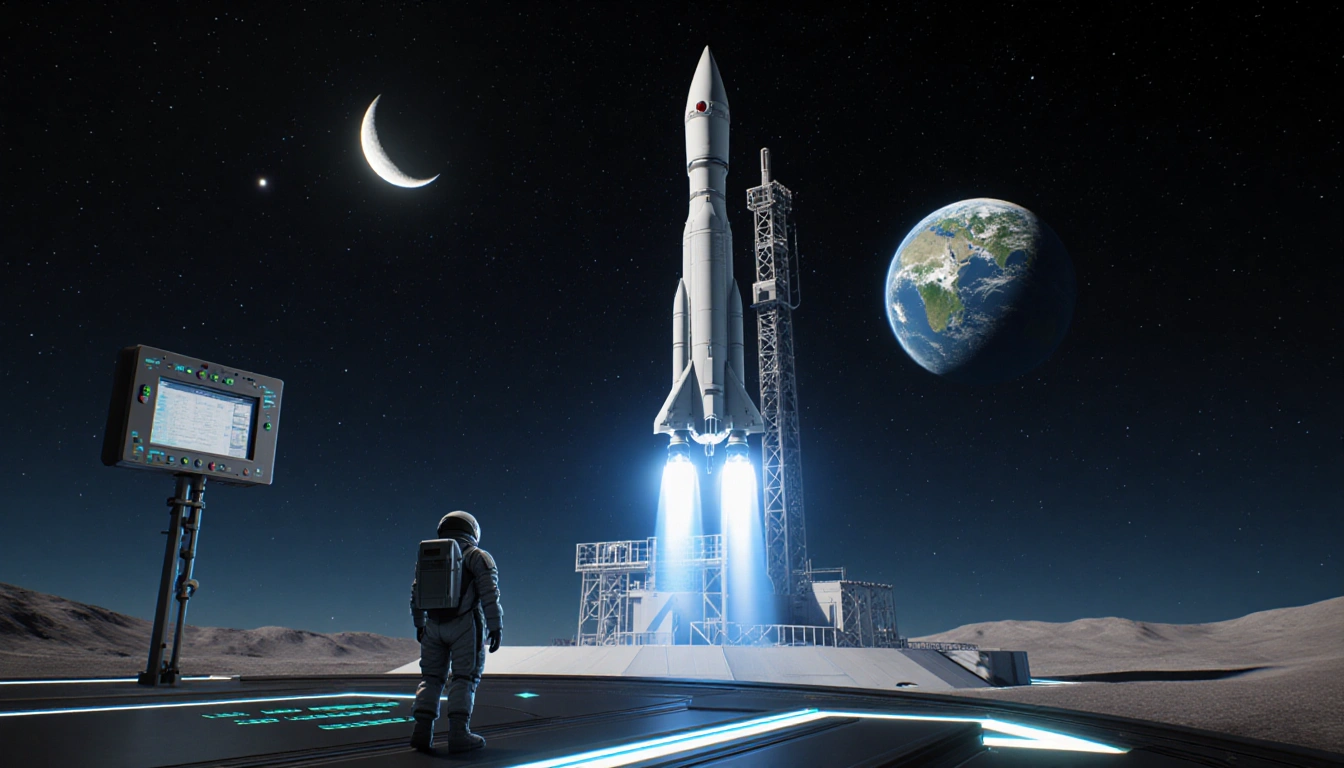
SpaceX’s Starship V3 is projected to lift off in early 2026, carrying astronauts, Starlink satellites, and a Mars-exploration prototype. The upgraded vehicle is 5 feet taller than V2, has larger propellant tanks, and new docking adapters for in-orbit refueling, a feature critical for NASA’s Artemis 3 Human Landing System.
Blue Origin plans the Blue Moon Pathfinder launch in early 2026, a 26-foot cargo lander that will test the BE-7 engine and carry NASA’s SCALPSS cameras to the lunar south pole. The lander will launch on New Glenn and target the Shackleton crater rim.
NASA’s Artemis II will launch aboard the Space Launch System from Kennedy Space Center no later than April 2026. The crew-Reid Wiseman, Victor Glover, Christina Koch, and Jeremy Hansen-will orbit the Moon on the Orion spacecraft, marking the first time a woman and a person of color travel on a lunar mission.
Other 2026 Milestones
In May, Vast’s Haven-1 will become the world’s first commercial space station, a 31,000-lb module launched on a Falcon 9. The station will host up to four astronauts for short missions and lay groundwork for the future Haven-2.
Summer will bring NASA’s SunRISE CubeSat constellation, six toaster-sized probes launched on a Vulcan Centaur to study solar radio emissions and map the Sun’s magnetic field.
China’s Chang’e 7 will launch in August on a Long March 5 to the lunar south pole, deploying an orbiter, lander, rover, and hopper to search for water ice.
ESA’s BepiColombo will enter Mercury’s orbit in November, after six gravity assists, to study the planet’s surface and magnetic field.
Sierra Space’s Dream Chaser will make its first flight in late 2026 on a Vulcan Centaur, the first commercial spaceplane to land on a runway.
Japan’s MMX mission will launch late 2026 on the H3 rocket to explore Mars’s moons, collect a sample from Phobos, and return it to Earth in 2031.
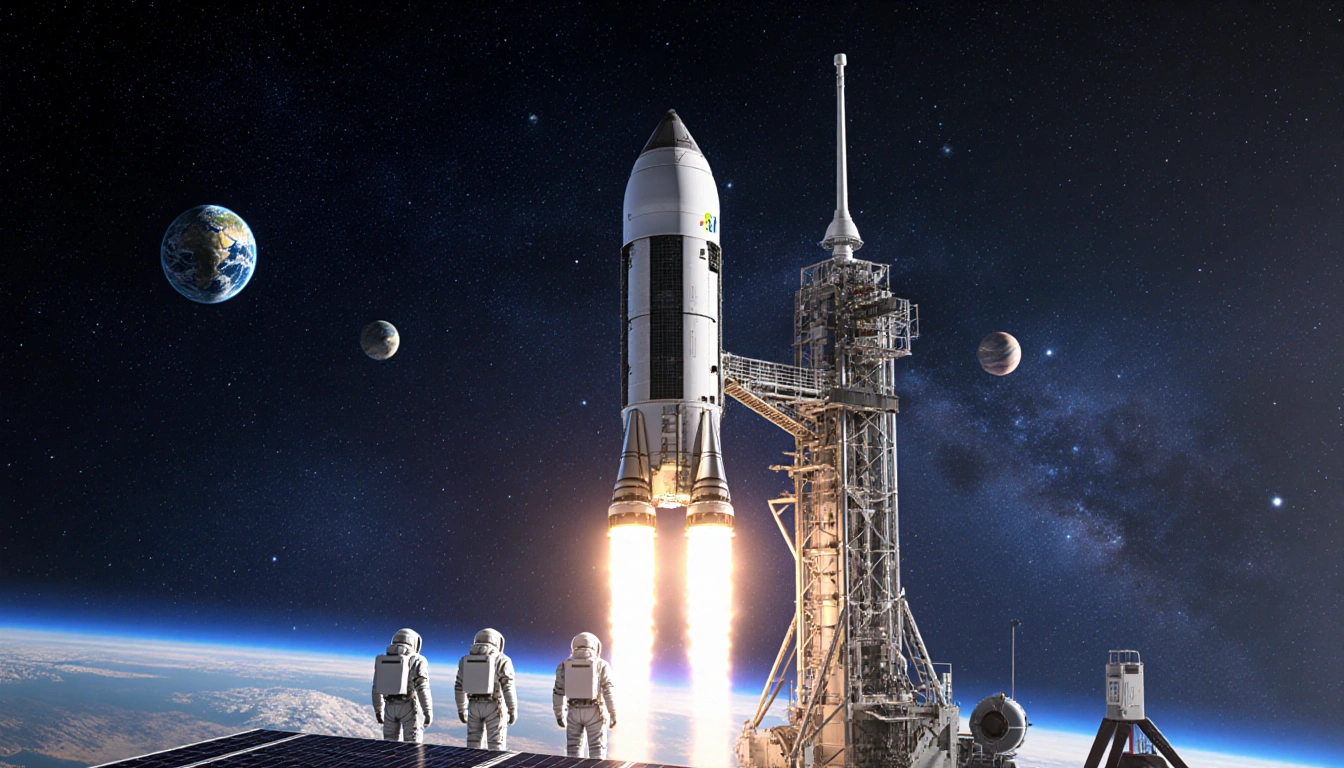
| Mission | Launch Vehicle | Destination |
|---|---|---|
| Starship V3 | SpaceX rocket | Earth orbit & Moon |
| Blue Moon Pathfinder | New Glenn | Lunar south pole |
| Artemis II | SLS | Lunar flyby |
| Haven-1 | Falcon 9 | Low-Earth orbit |
| SunRISE | Vulcan Centaur | Earth orbit |
| Chang’e 7 | Long March 5 | Lunar south pole |
| Hera | ESA launch | Dimorphos |
| BepiColombo | ESA/JAXA | Mercury |
| Dream Chaser | Vulcan Centaur | Low-Earth orbit |
| MMX | H3 | Mars & moons |
Key Takeaways
- 2026 will host 11 major space missions, including the first flight of Starship V3 and NASA’s Artemis II.
- Missions span human crewed flight, commercial space stations, planetary science, and lunar resource exploration.
- The year marks significant advances in launch vehicle power, in-orbit refueling, and planetary defense testing.
The coming year will see humanity’s most ambitious spaceflight agenda yet, setting the stage for a new era of exploration and technology.