

At a Glance
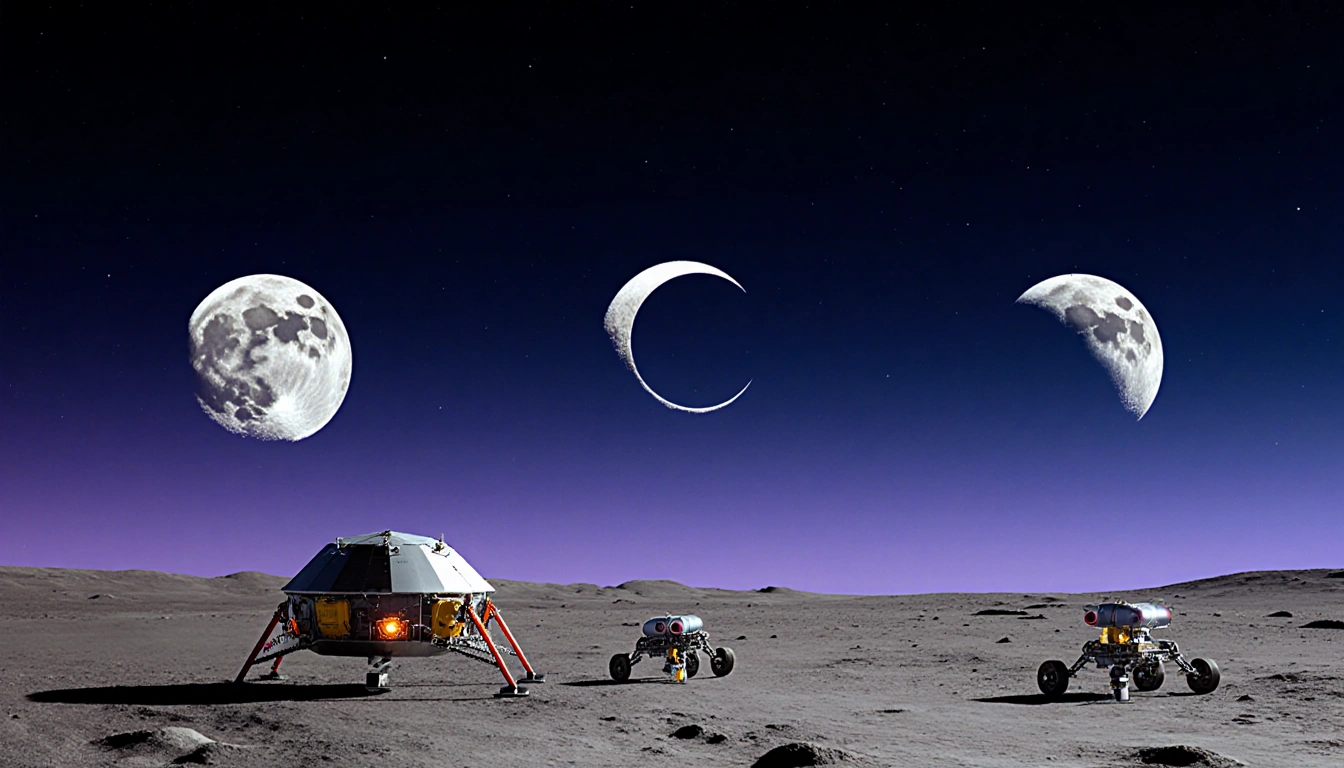
- 2026 will feature three supermoons, a lunar landing crew, and two solar eclipses.
- NASA’s Artemis commander Reid Wiseman plans a 10-day moon mission with a U-turn flight.
- Robotic landers from China, Amazon’s Blue Origin, and private firms will touch down on the far side.
- Why it matters: These events offer scientists rare data and sky-watchers unforgettable sights.
The coming year will light up the sky with a mix of human exploration, robotic missions, and dramatic celestial events.
Moon Missions
NASA’s Artemis commander Reid Wiseman says his crew of three Americans and one Canadian will likely be the first to view large swaths of the lunar far side that Apollo missed. Their observations could aid geologists and future landing site selection. The mission will launch early, perform a U-turn behind the moon, and return to Earth in ten days-no moonwalks for this crew.
Robotic Landers
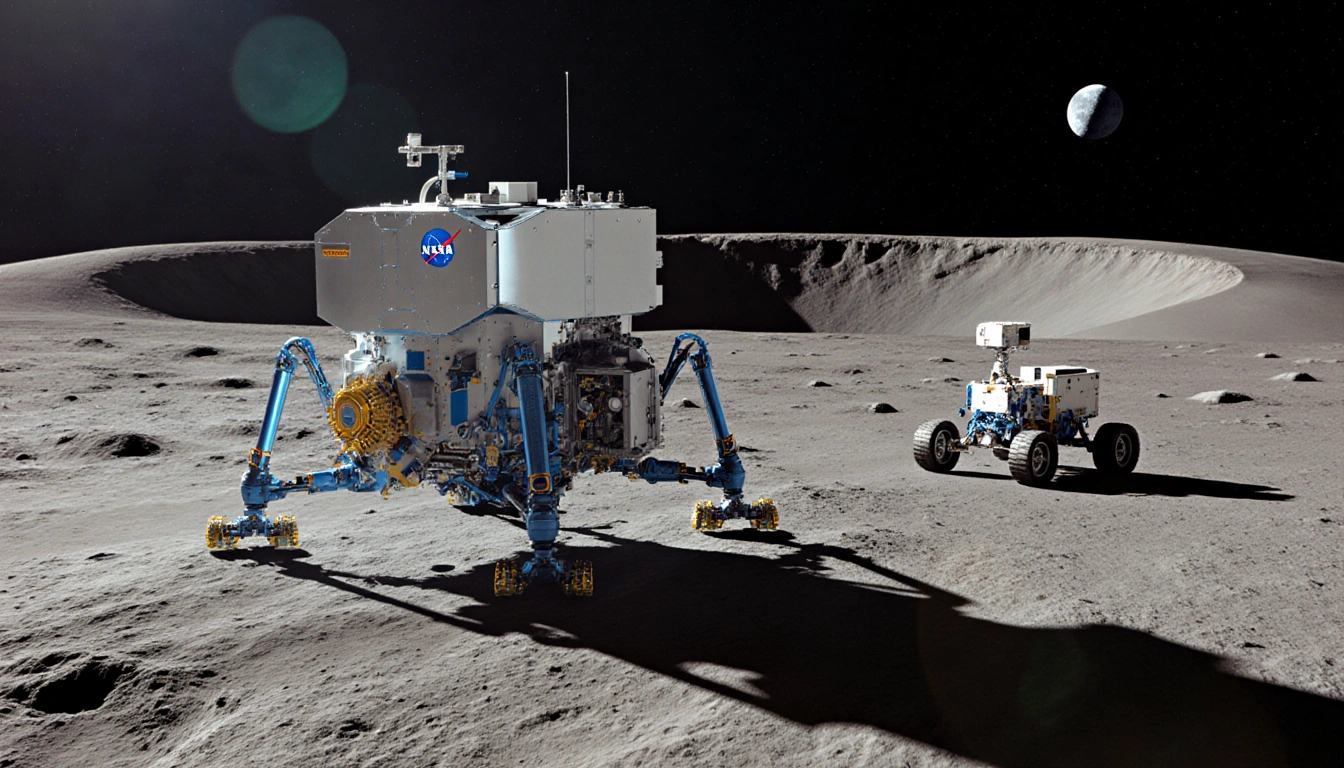
China will target the south-polar region, sending a rover and a hopper into permanently shadowed craters to search for ice. Amazon founder Jeff Bezos is preparing a prototype of his Blue Moon lander for NASA astronauts; the demo stands 26 feet (8 m) tall, taller than Apollo’s landers. The crewed version will be almost double that height.
Other private companies aim for 2026 landings: Astrobotic Technology, Intuitive Machines, and Firefly Aerospace (the only private firm to have landed before) are all targeting the far side.
- Blue Moon demo – 26 ft tall, 8 m
- Blue Moon crew – nearly 52 ft tall
- Firefly – far-side landing
- China – rover + hopper in shadowed craters
Solar Eclipses
In February, a ring-of-fire eclipse will sweep the Antarctic on Feb. 17, visible only from a handful of research stations. South Africa, Chile, and Argentina will see a partial eclipse. Two weeks later, a total lunar eclipse will occur. In August, a total solar eclipse on Aug. 12 will begin in the Arctic and cross Greenland, Iceland, and Spain, lasting 2 min 18 s of totality.
Planetary Parade
Around Feb. 28, six of the eight planets will line up in the night sky. A nearly full moon will join the display, alongside Jupiter. Uranus and Neptune will need binoculars or telescopes. Mercury, Venus, Jupiter, and Saturn should be visible after sunset, weather permitting. Mars will miss the lineup but will appear in August with Venus.
Supermoons
Three supermoons will brighten 2026. The first, on Jan. 3, coincides with a meteor shower. The second will not occur until Nov. 24. The final, a Christmas-Eve supermoon, will rise on Dec. 23 into Dec. 24, passing within 221,668 miles (356,740 km) of Earth.
Aurora Forecast
Solar activity is expected to produce more geomagnetic storms, potentially creating spectacular auroras. Rob Steenburgh of the National Oceanic and Atmospheric Administration said:
> “2026 will be an exciting year for space weather enthusiasts.”
He added that the upcoming spacecraft launched in the fall will help scientists better understand the Sun’s impact.
Key Takeaways
- Three supermoons, a lunar crew mission, and multiple eclipses make 2026 a stellar year.
- Robotic landers from China, Blue Origin, and private firms will explore the moon’s far side.
- Solar activity and auroras are predicted to be more frequent, offering bright displays for sky-watchers.
The sky in 2026 will be a blend of human ambition and natural wonder, giving us a front-row seat to the cosmos.